Let’s Create Something Together
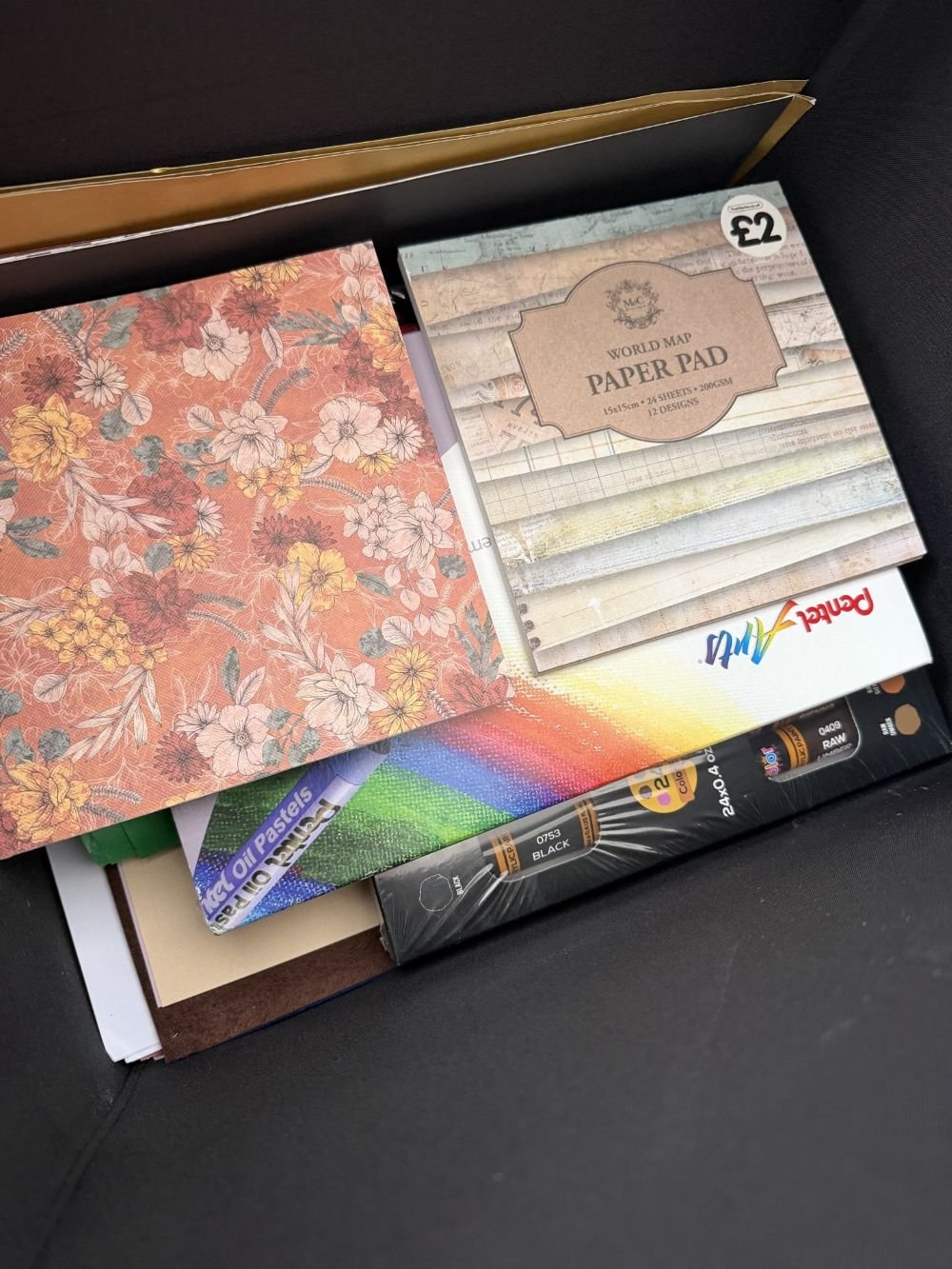
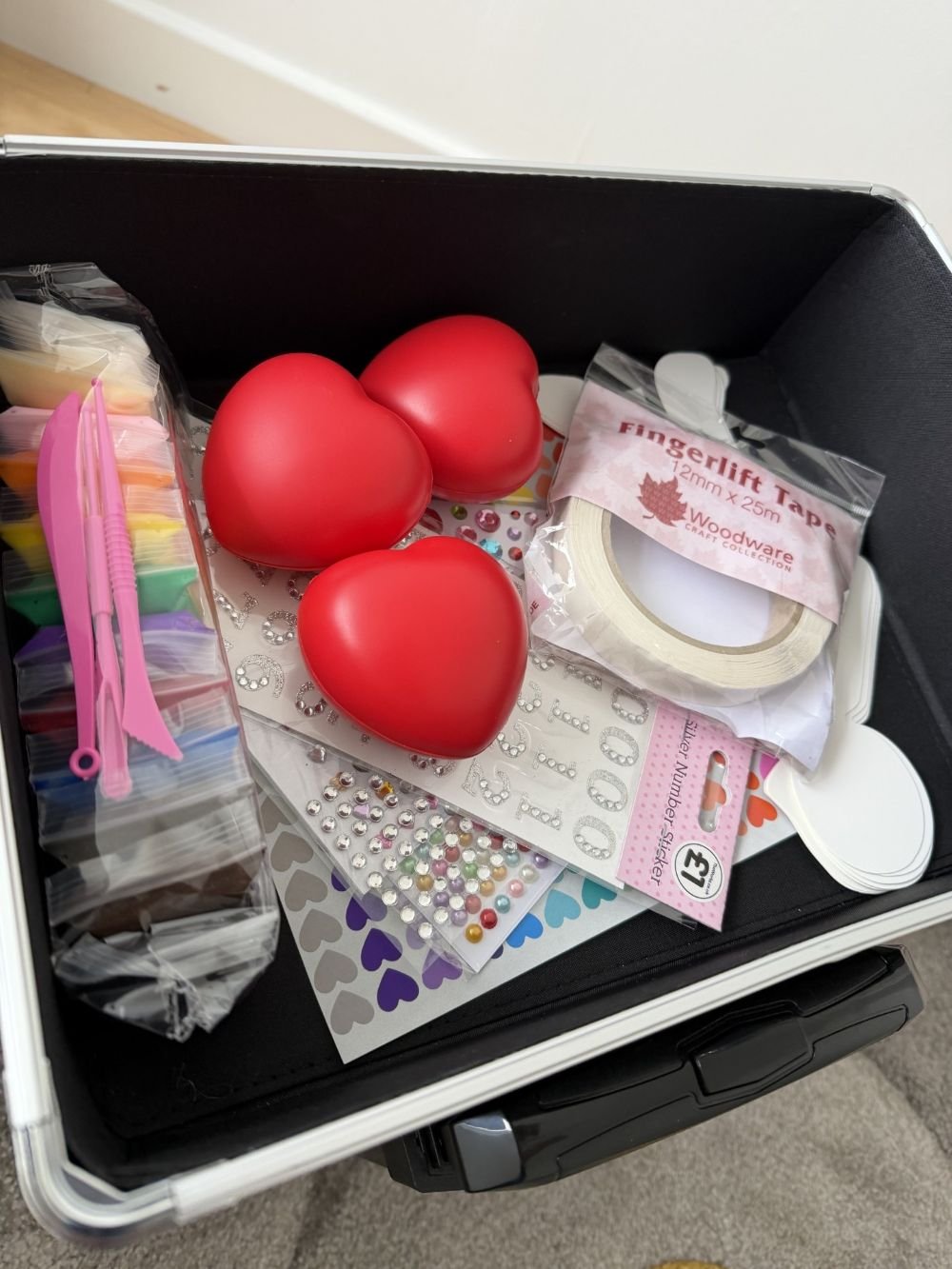
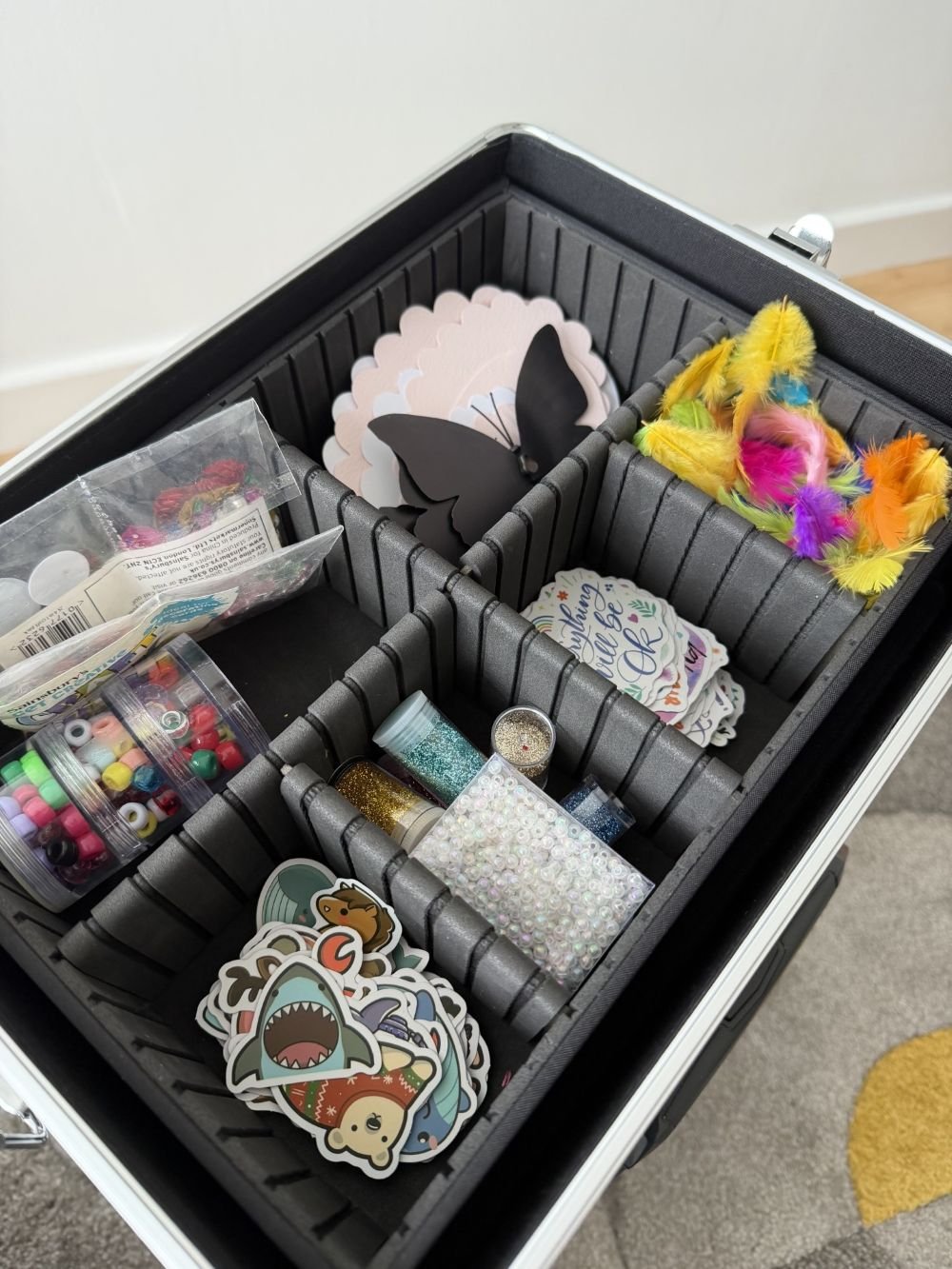
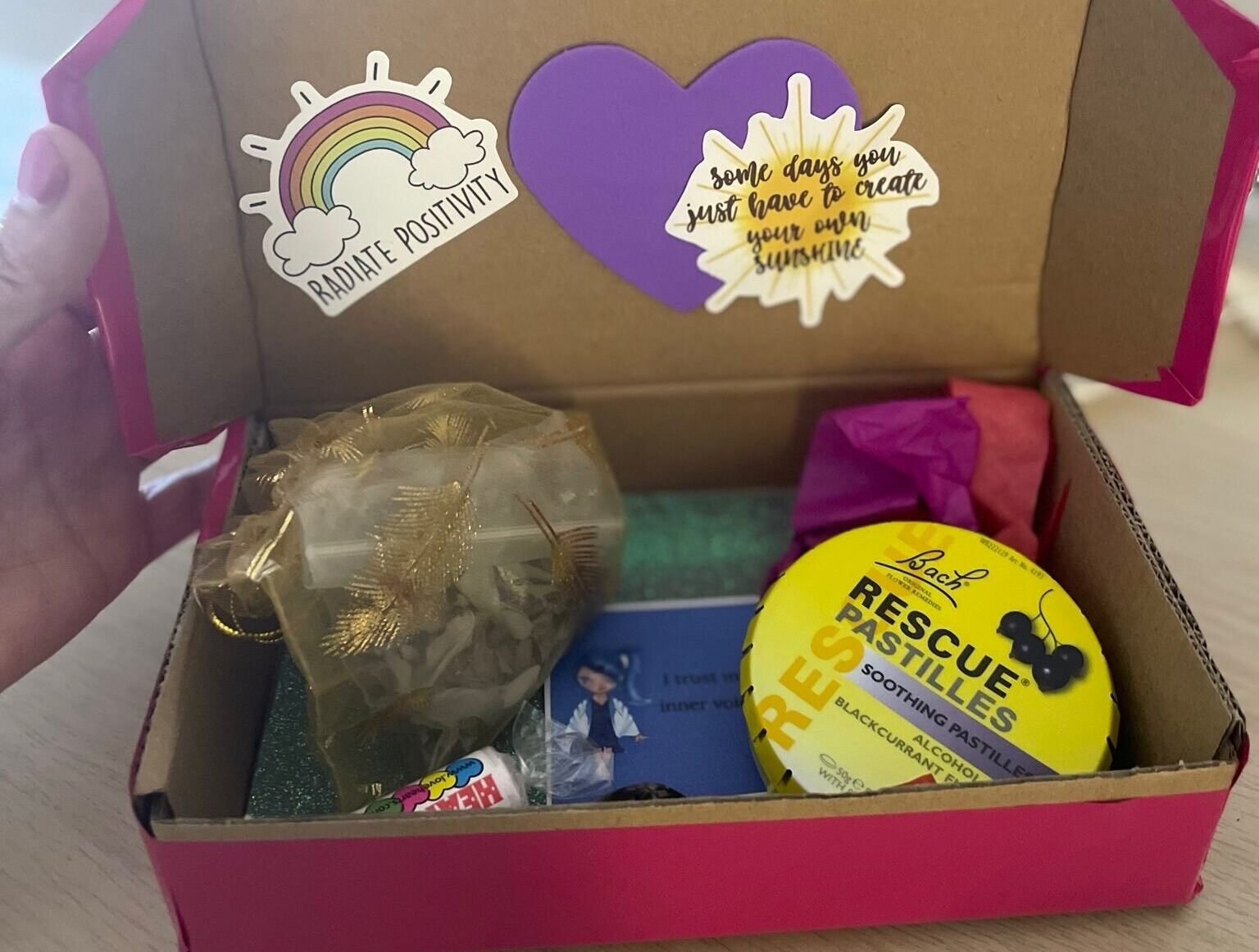
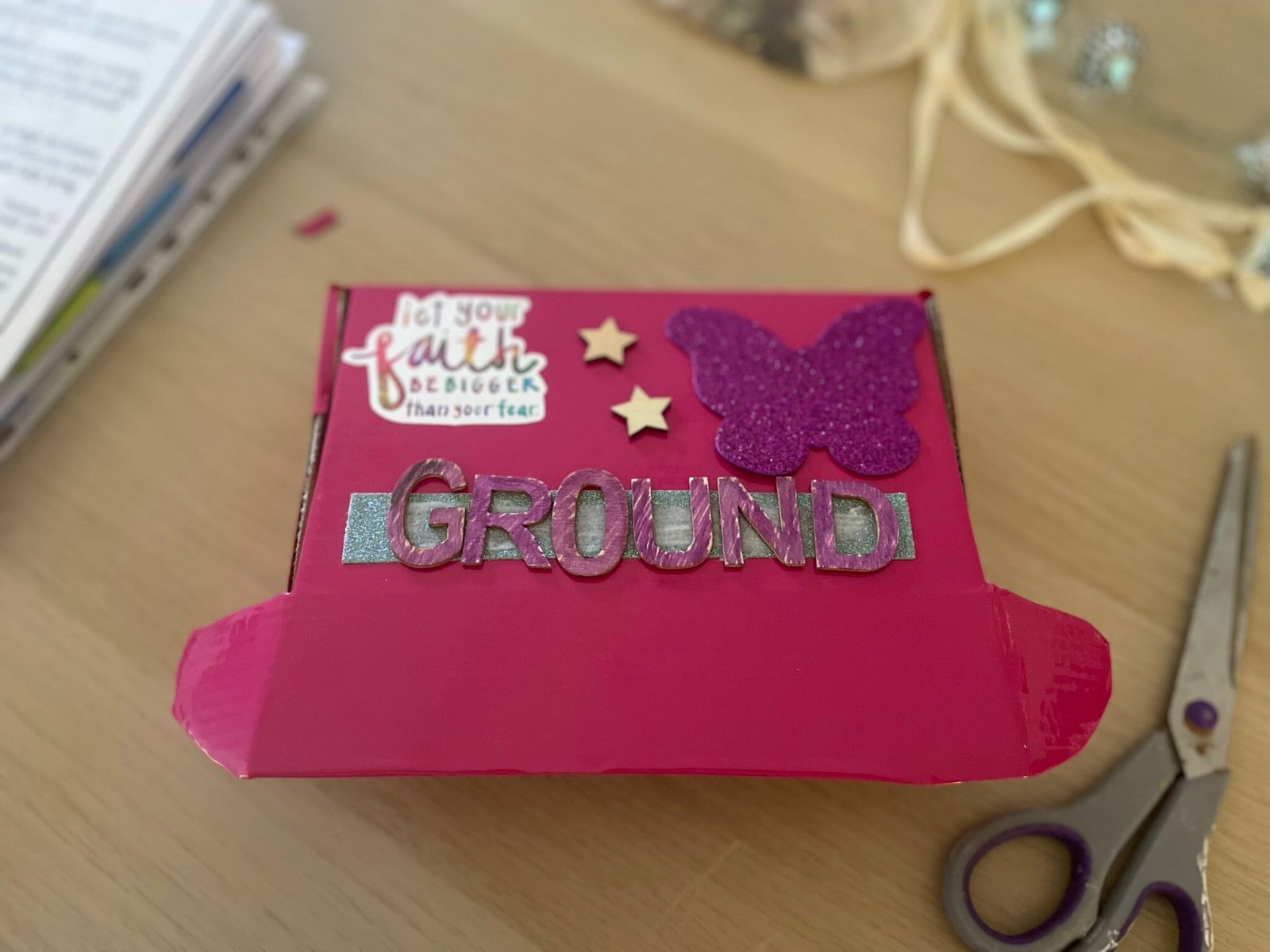
At KASP, our counselling rooms are more than spaces for conversation — they are places for exploration, reflection, and expression. Recently, our team has been busy creating and curating a range of art and craft kits designed to support clients in expressing themselves in ways that don’t always rely on words.
Throughout our rooms, you’ll find carefully chosen creative materials such as paints, drawing tools and craft supplies. These tools are available to clients who feel that creativity might help them explore their inner world more gently or honestly than conversation alone.
When Words Aren’t Enough
A creative approach can be especially helpful when people aren’t quite sure what they’re feeling — or when finding the right words feels difficult. Many emotions live beneath the surface of language, and trying to explain them verbally can feel frustrating, overwhelming, or simply impossible.
Using art materials allows emotions and experiences to be expressed visually. Shapes, colours, textures, and symbols can communicate what language cannot, often bringing clarity and insight where words fall short.
Creative work offers a safe, non‑judgemental space to explore thoughts and feelings at your own pace. Through the process of making, clients can begin to understand themselves more deeply, process complex emotions, and gently work towards positive change. What is created isn’t analysed or judged — instead, it becomes a doorway to reflection, supported thoughtfully by the therapist.
Beyond Words: What Is Creative Counselling?
Have you ever felt “stuck” in therapy?
You know what you want to talk about — the knot of anxiety, the lingering grief, the overwhelm — but when you sit down, the words just disappear. Or perhaps you’ve talked about the same issue again and again, but nothing ever seems to shift.
Creative counselling offers a different way in.
At its heart, creative counselling blends traditional talking therapy with creative interventions. While conversation remains an important part of the process, creativity becomes an additional language — one that can bypass overthinking and connect more directly with emotional experience.
Think of it as expanding the therapeutic toolbox. Sessions might include:
- Art‑making
- Metaphors and imagery
- Journaling or poetry
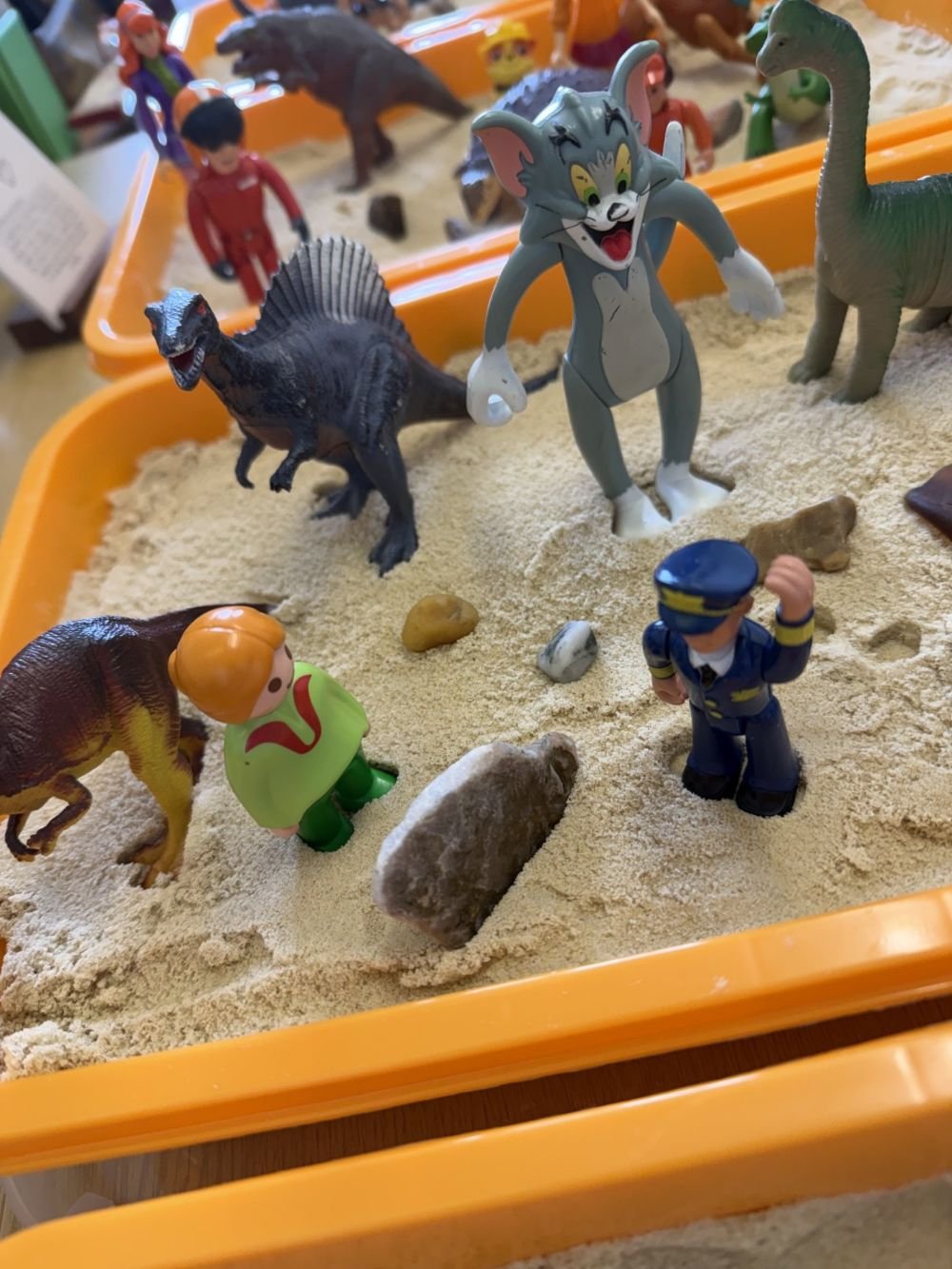
- Sand trays or objects
- Gentle movement or sensory work
This approach is not about being “good at art” or producing anything polished or pretty. In fact, messy, unfinished, or abstract creations often hold the richest emotional meaning.
Creative counselling focuses on:
- Expression — giving shape to feelings that are hard to articulate
- Process — valuing the act of creating rather than the final result
- Unconscious exploration — accessing deeper experiences that may sit outside conscious awareness
How Does Creative Counselling Work?
Our brains don’t store all experiences in words. Emotions, memories, and trauma are often held in non‑verbal forms — sensations, images, colours, or bodily feelings. Creative counselling helps bypass the purely logical, verbal part of the brain and connect with these deeper layers of experience.
Some examples of how this might look in a session include:
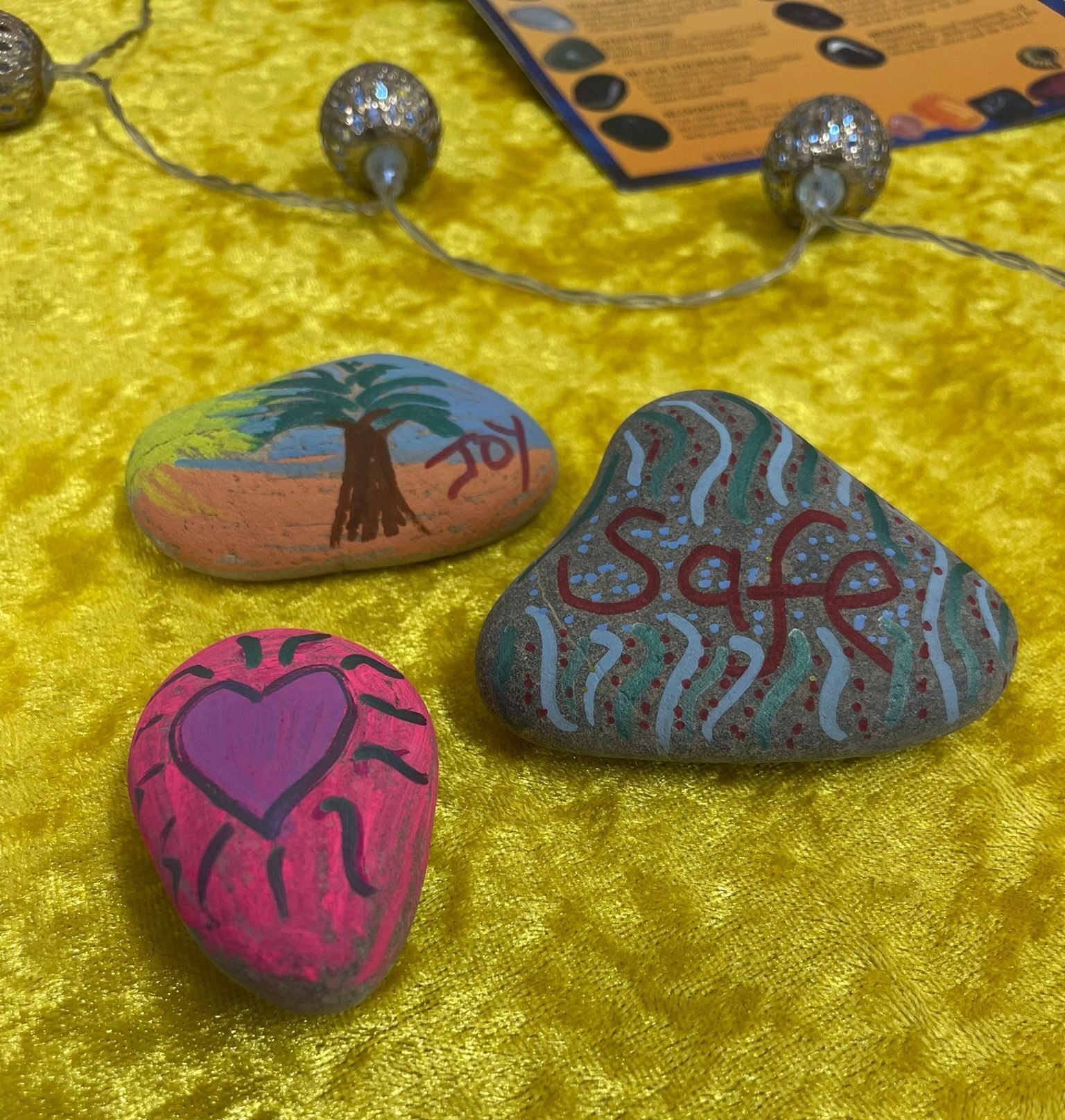
- Metaphors and imagery: If someone describes feeling “like they’re drowning,” we might explore that image through drawing or objects, allowing the feeling to be examined safely and symbolically.
- Artistic expression: Using colour, shape, or texture to represent emotions like anxiety, anger, or numbness.
- Writing and journaling: Poetry, automatic writing, or writing an “unsent letter” can help release thoughts or feelings that feel stuck.
The creative process allows emotions to be externalised — placed outside of ourselves — making them easier to explore with curiosity and compassion rather than judgment.
Creativity and Trauma
Creative counselling is particularly effective when working with trauma. Traumatic experiences are often stored in the brain non‑verbally, making them difficult to access through conversation alone. Talking directly about trauma can sometimes feel overwhelming or retraumatising.
Creative methods allow experiences to be processed symbolically and at a pace that feels safer and more manageable. This helps reduce the risk of becoming emotionally flooded, while still supporting meaningful healing and integration.
Client Creations
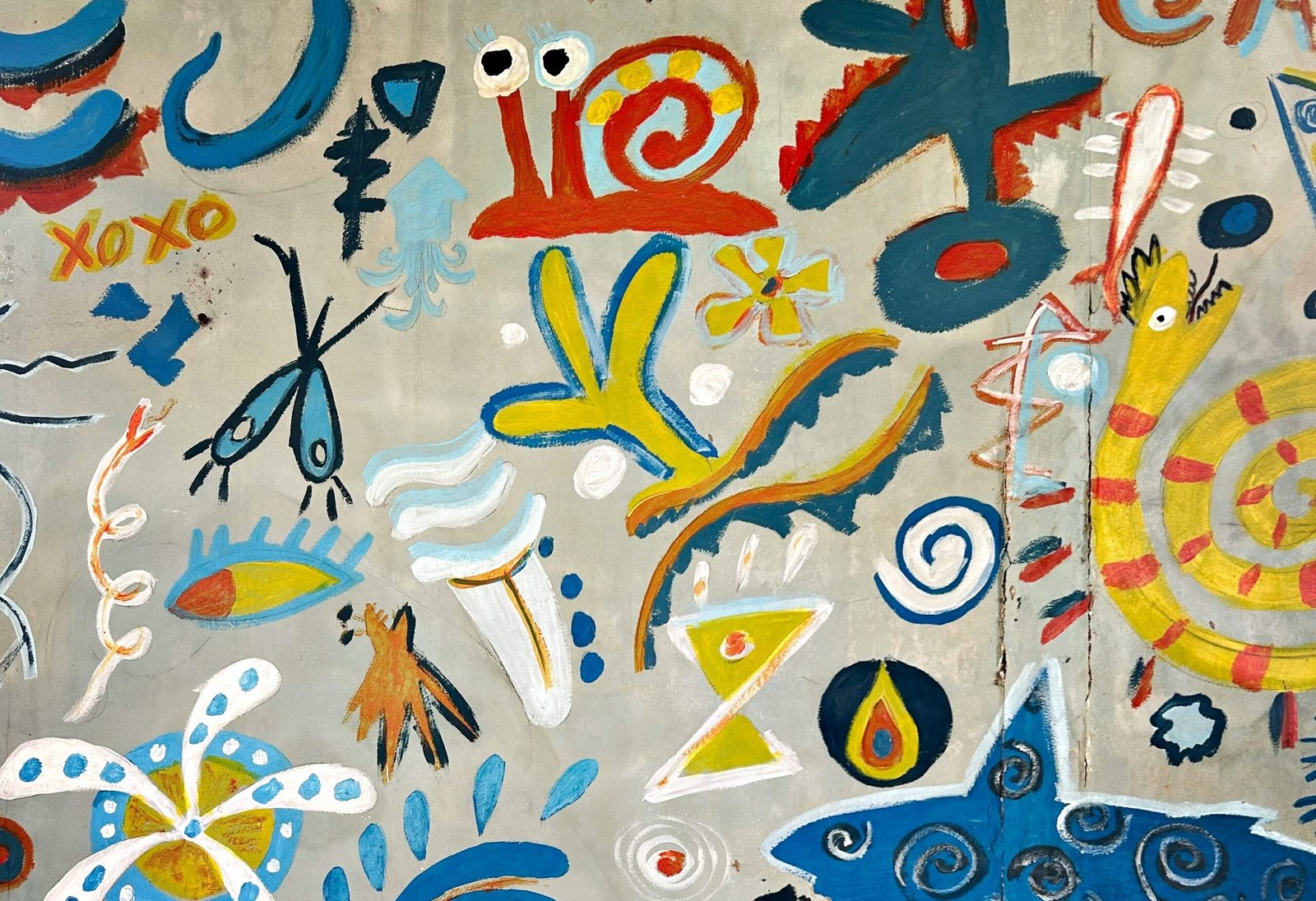
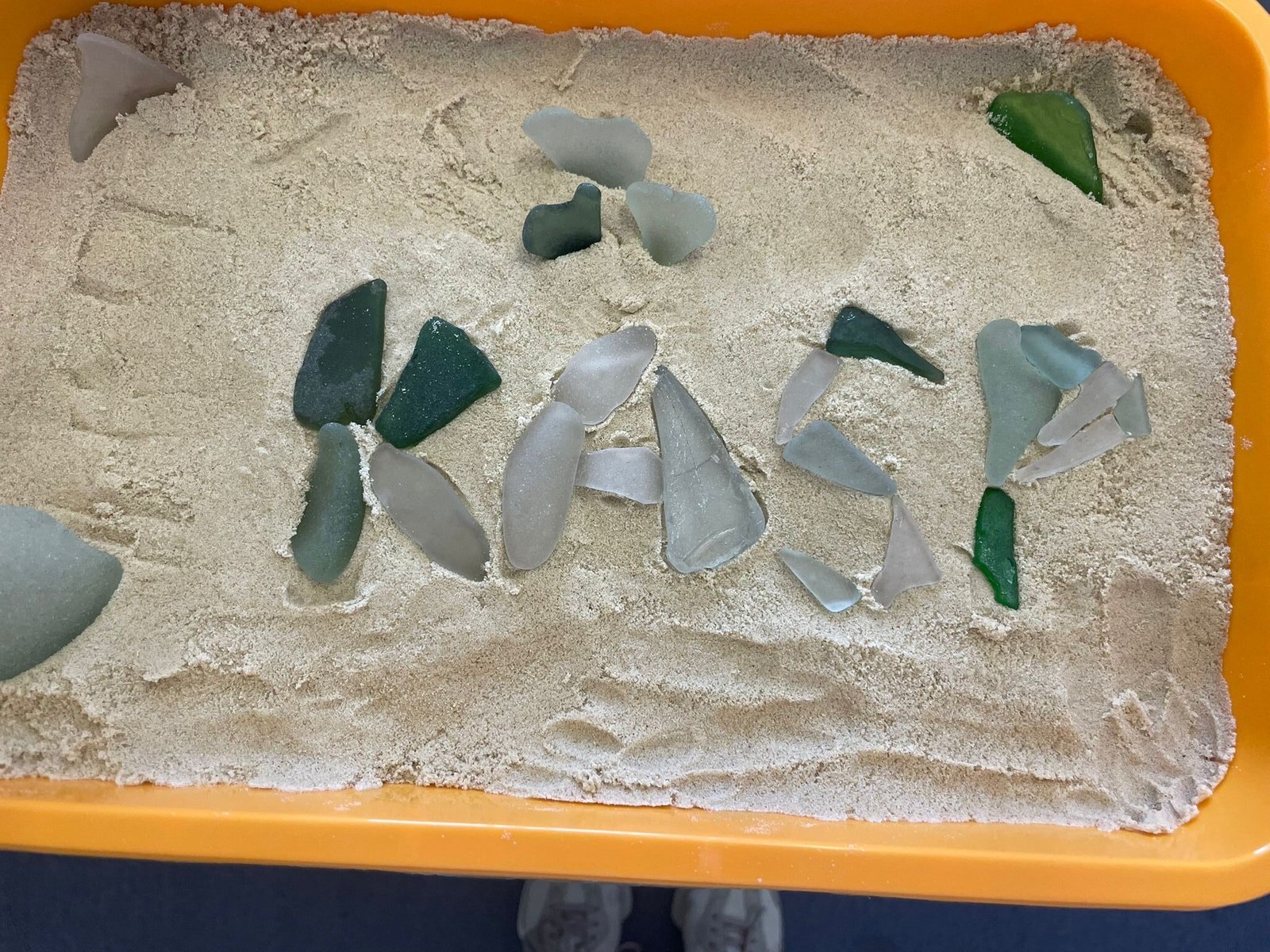
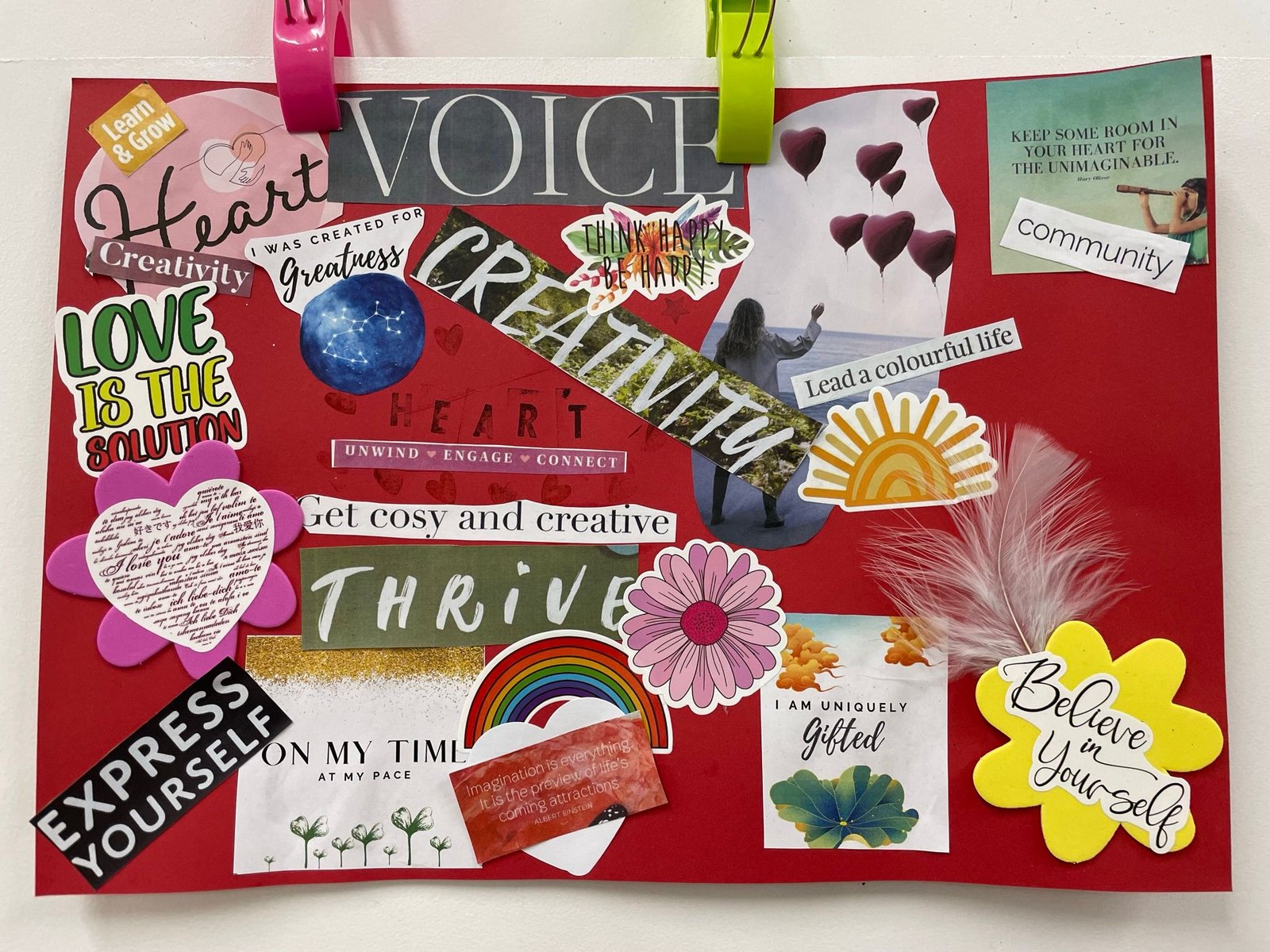
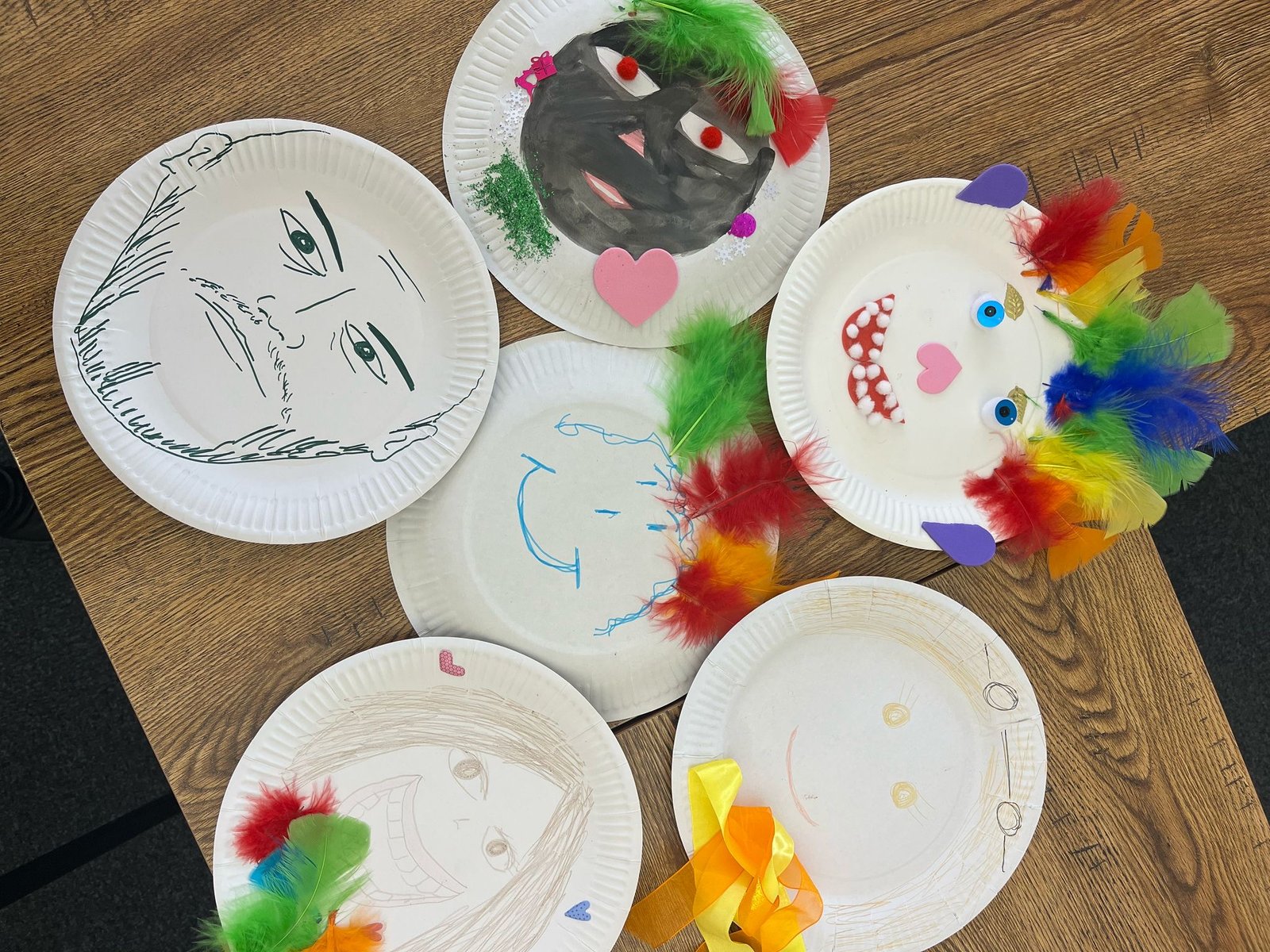
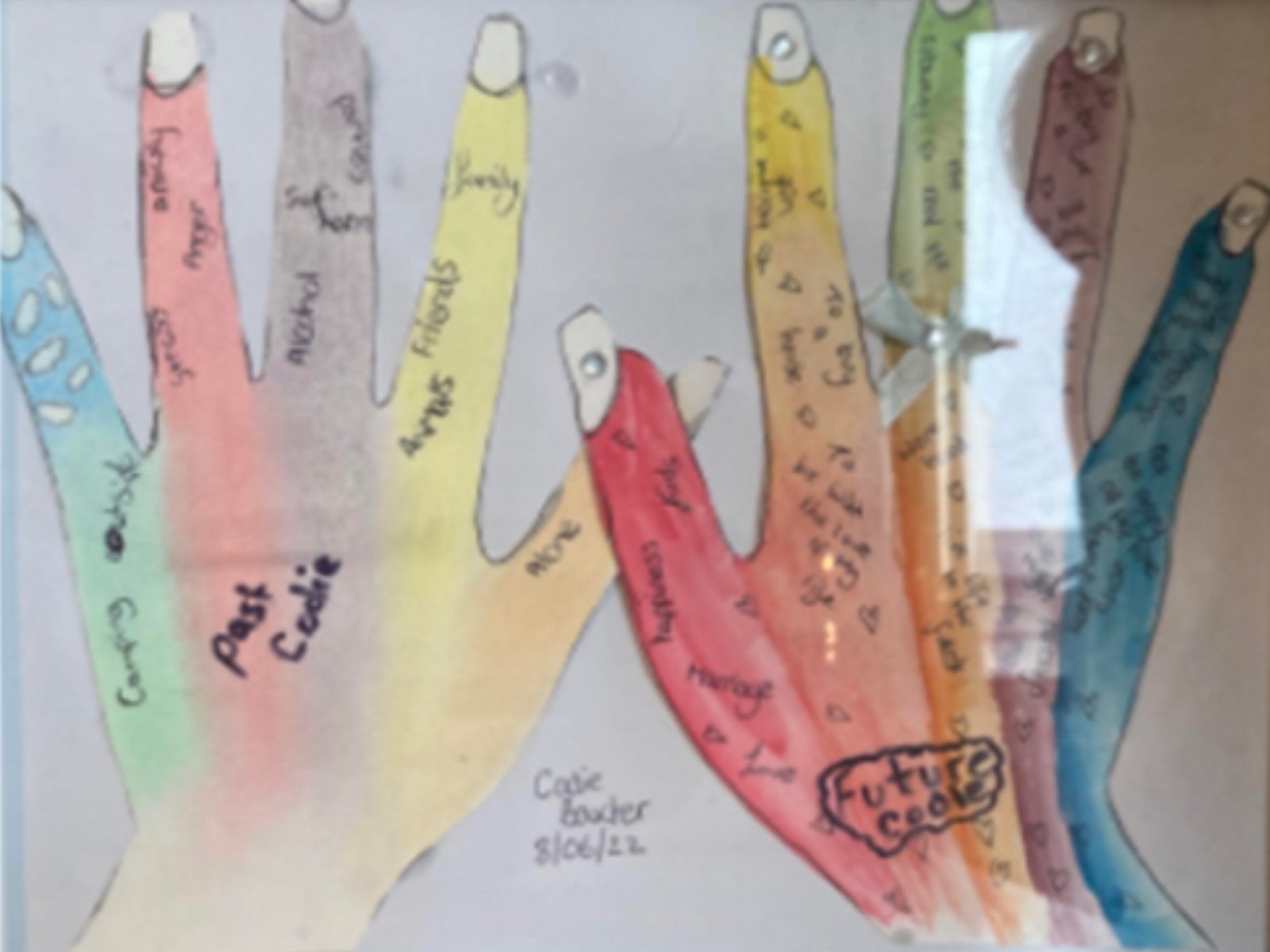
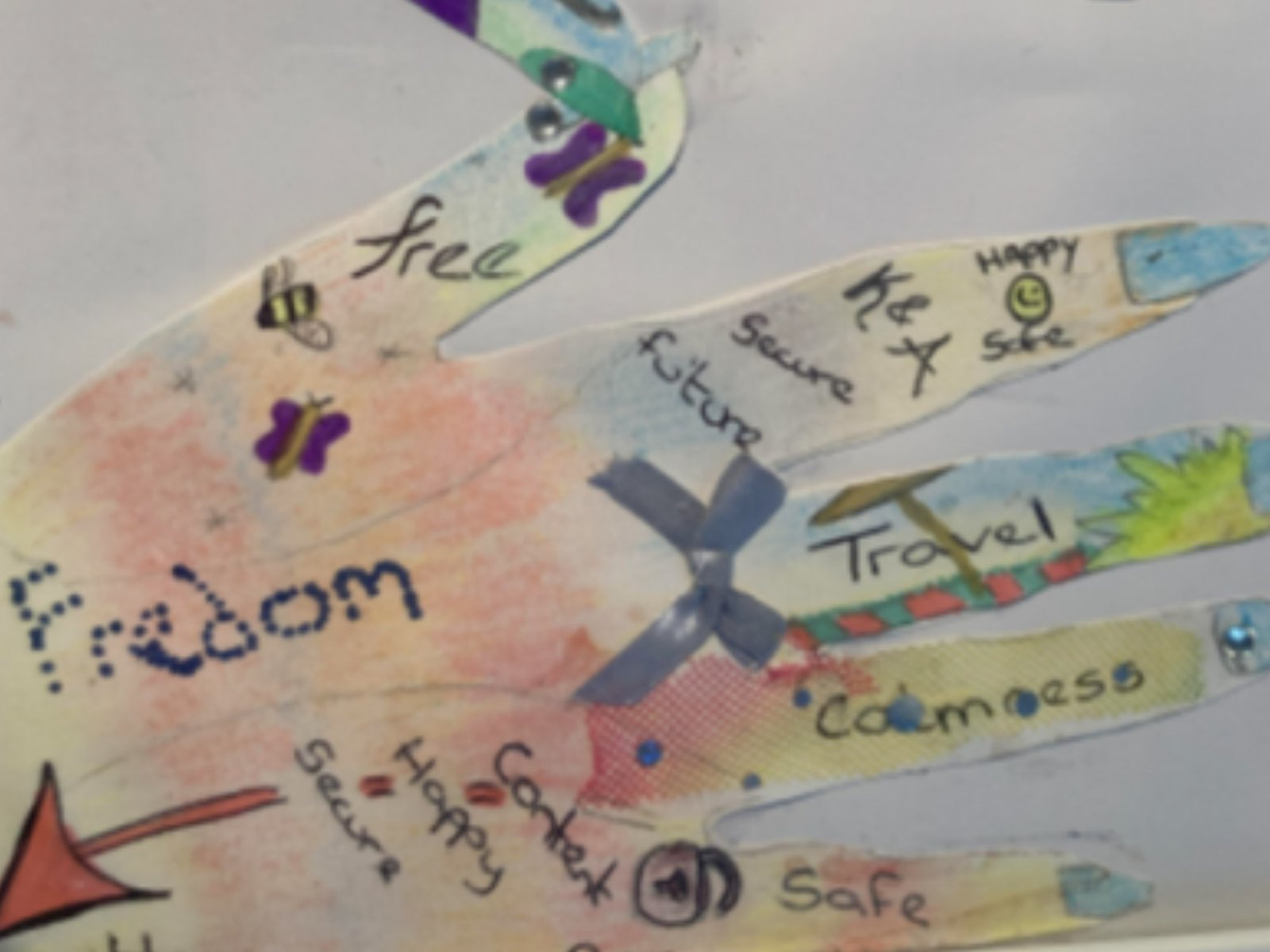
Below are some examples of creative work made by clients during counselling sessions. These pieces are not about artistic skill or outcome — they reflect moments of insight, processing, and self‑expression.
Each creation tells a story, offering valuable clues about what’s happening beneath the surface and opening space for reflection and understanding.
Is Creative Counselling Right for Me?
You don’t need to consider yourself “artistic” to benefit from creative counselling. It isn’t about talent or technique — it’s about curiosity, expression, and connection.
Creative work in therapy is always optional. Some people prefer to talk, others enjoy using creative tools, and many move fluidly between the two. Sessions are shaped around what feels right for each individual.
Creative counselling can be especially helpful for:
- People who feel stuck in traditional talking therapy
- Those processing trauma or complex emotions
- Neurodivergent individuals
- Adults wanting to reconnect with their inner child
- Anyone seeking a gentler, deeper way to understand themselves
Ultimately, creative counselling offers a powerful reminder: healing doesn’t always begin with words — sometimes it begins with colour, shape, movement, or imagination.
It’s important to note that creative work in therapy is always optional. Some clients may prefer to talk, while others find creative tools helpful—sessions are shaped around what feels right for each person.
The Therapeutic Power of Salt Jars for Adults
A Creative Tool for Mindfulness, Memory, and Emotion Processing
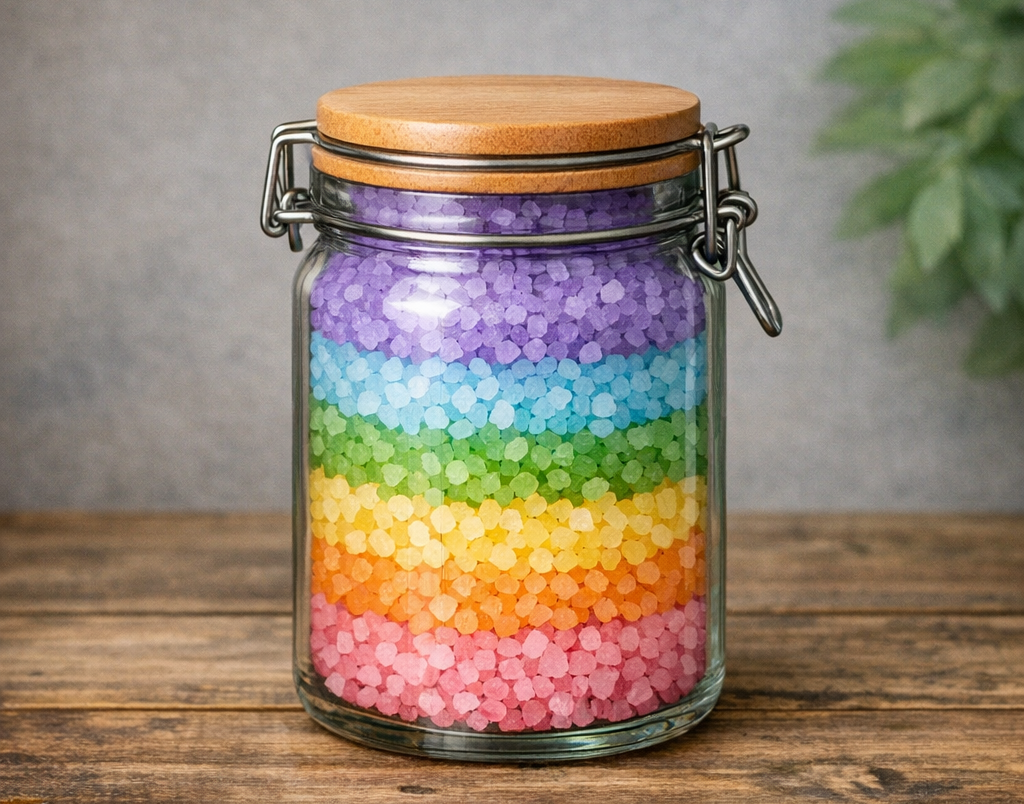
Often, we think of sensory crafts as activities for children, but salt jars are highly effective for adults as a grounding, meditative, and therapeutic activity. By layering coloured salt, we create a visual, tangible representation of our internal world.
Why Salt Jars Work for Therapy
- Sensory Grounding: The tactile experience of mixing and pouring salt helps to stay present.
- Externalizing Emotions: Turning intangible emotions or complex memories into physical, colourful layers makes them easier to understand and process.
- Mindfulness in Process: Creating the jar requires focus, slowing down the mind.
- A “Visible” Memory Bank: It provides a lasting, artistic reminder of positive memories or personal strengths
Salt jar activities are a versatile, therapeutic tool for adults, to manage emotions, process grief, or cultivate mindfulness. By colouring salt with chalk and layering it in a jar, participants create a visual representation of feelings, memories, or intentions.
Core Therapeutic Benefits
- Emotional Regulation: Provides a calming, repetitive, and grounding activity that helps reduce anxiety.
- Grief and Memory: Serves as a tangible “memory jar,” allowing adults to honour a loved one by assigning specific memories to colours.
- Self-Reflection: Promotes mindfulness and self-love by creating “intentions” or “positive affirmations” in the jar.
Sandtray Therapy for Adults
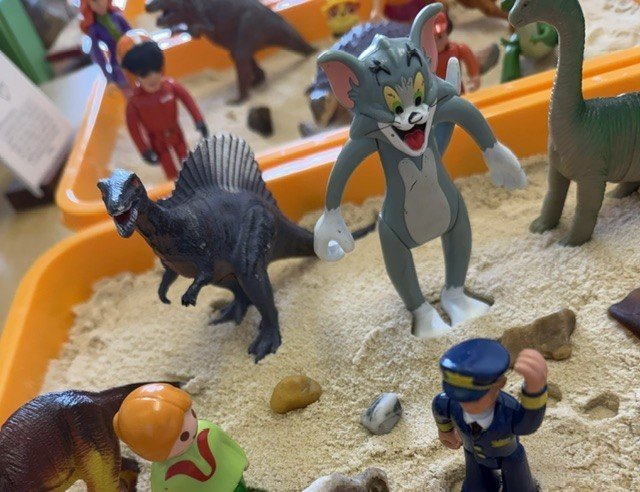
Sandtray therapy is an expressive, non-verbal counselling method where clients create miniature worlds in a sand tray, often with blue interiors, using miniature figures, animals, and objects. Developed from Lowenfeld’s “World Technique,” this approach brings unconscious thoughts and traumas into awareness, making it highly effective for processing emotions when words are difficult to find.
Key Aspects of Sandtray Therapy:
- Technique: The client is invited to create a “world” in a box of sand using various miniature items (human figures, nature objects, fantasy figures, buildings) to represent their inner experiences.
- Versatility: Suitable for children, adolescents, and adults dealing with anxiety, depression, trauma, ADHD, and autism.
- Approaches:
- Nondirective: The therapist provides a safe space for the client to work freely.
- Directive: The therapist gives prompts, such as “create your life” or “create a scene that represents your feelings”.
Process: The therapist creates a safe container, observes the creation, and facilitates discussion about the symbolic meanings after the, often silent, creation process.
Benefits of Sandtray Therapy:
- Safe Exploration: Allows for the, sometimes safer, exploration of painful, chaotic, or complex emotions and memories without needing verbal explanations.
- Trauma Processing: Particularly powerful for working with traumatic memories stored in the limbic system, allowing for emotional regulation.
- Symbolic Expression: Helps individuals find solutions, gain insight into unconscious conflicts, and build self-awareness.
- Active Engagement: Ideal for clients who find traditional talk therapy difficult or for those who “think too much,” as it breaks through cognitive defences.
Sandtray therapy can be used alongside traditional talk therapy, often providing a more, tangible way to engage in therapeutic work.
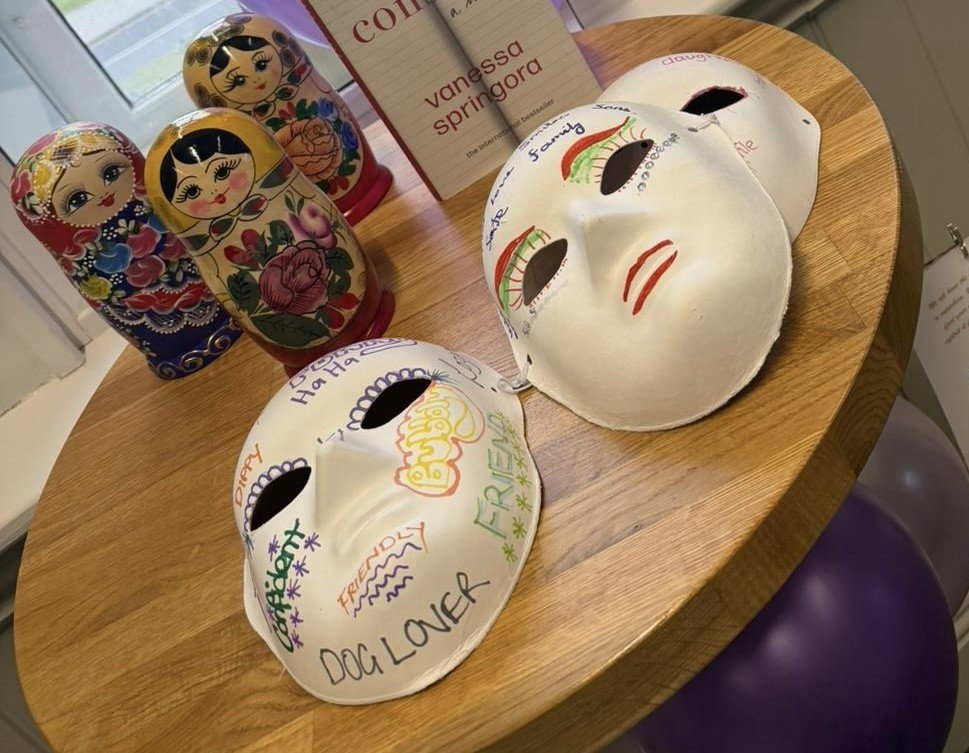
‘Masking’ – Working with masks
Creative mask work is a powerful and expressive technique used in counselling and art therapy. Through designing or decorating a mask, clients can explore hidden feelings, external identities, or past experiences that may be difficult to put into words. This creative process can gently bypass verbal barriers, offer emotional distance from distressing experiences, and provide a safe, supportive way to explore and understand the inner self.
Core Therapeutic Benefits
- Inside vs. Outside: Clients design the outer part of the mask to represent the “persona” they show to the world, while the inside reflects their true inner feelings and experiences.
- Emotion-Focused: Masks can be used to express difficult, hidden, or mistrusted emotions. This process helps clients safely explore and release feelings..
- Strength & Resilience: When used in a positive way, mask-making can also foster resilience. Clients create representations of their core values, inner strength, and the personal qualities that have helped them endure challenging times.
Benefits of Mask Work
- Creates Reflective Space: By becoming a physical, external object, the mask helps clients step outside themselves and engage with their emotions more reflectively, almost as if they are in conversation with another part of themselves.
- Safe Anonymity: Masks can provide a protective layer that reduces feelings of exposure or judgment, allowing clients to express themselves more freely and honestly.
- Bypasses Defenses: When it is difficult to put feelings into words, creative elements such as symbols, textures, and colours offer an alternative way to communicate complex emotional experiences without the pressure of verbal discussion.